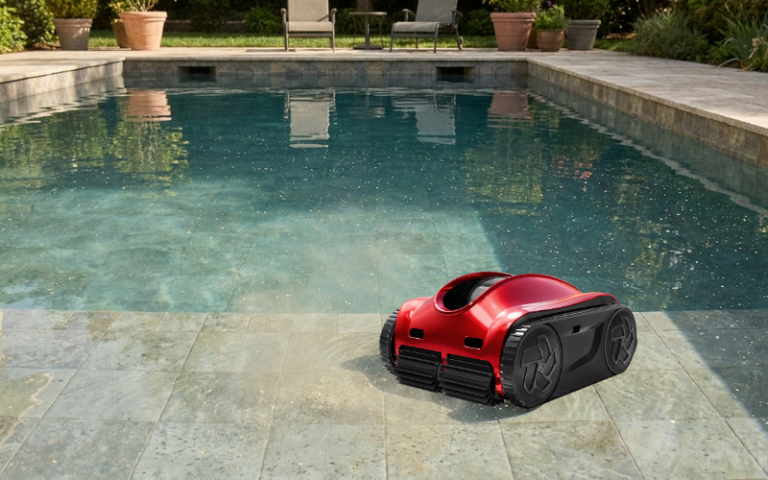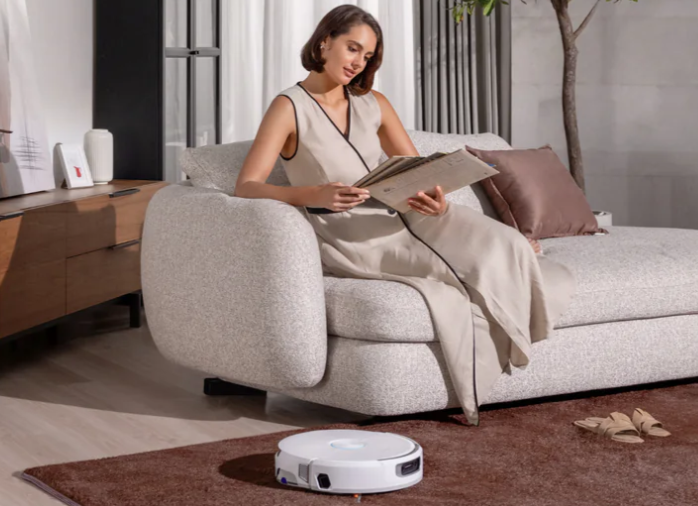
For many years, robot vacuums have been viewed primarily as convenient cleaning assistants. They were designed to relieve households of the repetitive task of sweeping and vacuuming floors, quietly working in the background to maintain a tidy living space. However, as smart home ecosystems continue to expand, robot vacuums are no longer confined to cleaning alone. A new generation of devices is emerging that integrates cleaning functions with home security features, reflecting a broader trend toward multifunctional, intelligent household systems.
From Cleaning Tools to Smart Home Guardians
Early robot vacuums were limited in scope: they followed pre-programmed routes or random cleaning patterns, collected debris in small bins, and returned to charging docks once their batteries ran low. These devices simplified household chores but offered little more than convenience.
In contrast, the latest generation of robot vacuums is being reimagined as multipurpose machines. They still excel at cleaning, but they also integrate advanced sensors, cameras, and AI-driven navigation that allow them to double as home monitors. This shift represents a natural progression within the smart home industry, where appliances are expected to be more adaptive, multifunctional, and connected.
The Role of Cameras and Sensors
At the heart of this evolution is the integration of high-resolution cameras and environmental sensors. While originally introduced to improve navigation—helping robots detect obstacles, map living spaces, and adjust to floor types—these systems now have broader applications.
Equipped with cameras, robot vacuums can provide real-time video feeds of different rooms, effectively turning them into mobile monitoring units. This functionality adds value for homeowners who wish to keep an eye on pets, children, or the overall safety of their property. Coupled with motion detection, these robots can alert users if unexpected activity is observed while they are away.
Privacy remains a critical concern in this area. To address it, many devices now incorporate encrypted data transmission, local storage options, and secure authentication systems. As these technologies mature, the balance between convenience and personal data security will become increasingly important.
Integration with Smart Home Ecosystems
Robot vacuums that combine cleaning and monitoring capabilities are also designed to integrate seamlessly with broader smart home ecosystems. For example, they can connect with home hubs, voice assistants, or other IoT devices. This interconnectivity enables automation scenarios where the robot vacuum responds to triggers beyond cleaning tasks.
Imagine a situation where the front door sensor detects movement during the night. Instead of simply sending a notification, the home automation system could instruct the robot vacuum to patrol that area, activate its camera, and stream footage directly to the homeowner’s mobile device. In this way, the robot becomes a proactive participant in household security.
Benefits of Dual Functionality
The dual functionality of cleaning and monitoring offers several advantages:
- Efficiency in Space and Cost
Instead of investing in separate cleaning devices and standalone security cameras, households can rely on one unit that performs both functions. This reduces clutter and maximizes return on investment. - Dynamic Coverage
Unlike stationary cameras, a robot vacuum can move throughout the home, covering multiple zones. This mobility expands the range of monitoring without requiring numerous fixed installations. - Peace of Mind
For frequent travelers or busy professionals, the ability to check in on their homes through a device that also keeps floors clean adds convenience and reassurance. - Improved Adaptability
With AI-driven learning, these robots adapt to household routines. They can schedule cleaning during work hours while simultaneously serving as a security patrol when the home is empty.
Challenges and Considerations
Despite the promise of these multifunctional devices, several challenges remain.
- Battery Life: Combining cleaning with surveillance requires additional power. Manufacturers must continue developing energy-efficient systems that balance suction, mopping, video streaming, and navigation without frequent interruptions.
- Data Security: With cameras roaming private spaces, data privacy is a paramount concern. Strong encryption, local data processing, and transparent user controls are essential to ensure trust.
- User Expectations: While integrating cleaning and monitoring is appealing, users must understand the limits of these devices. They are not replacements for comprehensive security systems but rather supportive tools that add another layer of protection.
- Maintenance: The more complex these robots become, the more attention they require in terms of maintenance, software updates, and hardware calibration.
The Future of Robot Vacuums
Looking ahead, robot vacuums are likely to evolve into fully integrated home service units. Beyond cleaning and security, future iterations may contribute to environmental monitoring, detecting air quality issues, temperature fluctuations, or even potential hazards like gas leaks.
Artificial intelligence will continue to play a crucial role, allowing these robots to understand household routines, predict user needs, and adjust operations accordingly. For example, a vacuum may learn that the kitchen requires extra cleaning after mealtimes while also recognizing that this is a high-security zone during nighttime hours.
As the boundaries between cleaning appliances and security devices blur, the future home may rely on fewer, smarter, multifunctional machines. This transformation highlights a broader vision of the connected household, where every device not only performs its primary role but also contributes to safety, comfort, and overall well-being.
Conclusion
The evolution of robot vacuums illustrates the ongoing shift in smart home technology from single-purpose tools to multifunctional systems. By integrating cleaning capabilities with home security features, these devices provide convenience, efficiency, and peace of mind.
While challenges related to privacy, battery life, and user expectations remain, the potential benefits of this convergence are significant. Robot vacuums are no longer just silent helpers keeping the floor clean—they are becoming active participants in safeguarding modern households.
About the Author