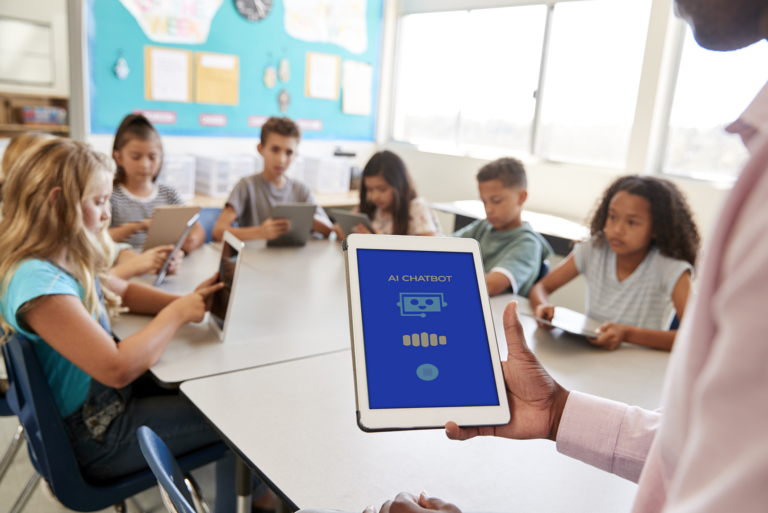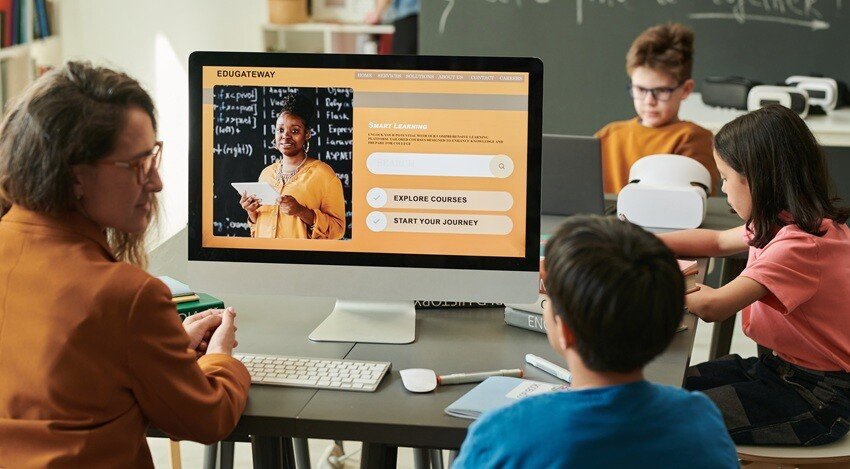
The debate between digital and traditional learning has intensified since schools worldwide were forced online during the pandemic. But framing this as an either-or choice misses the point entirely. The most effective educational approaches blend both methods strategically. Understanding when and how to deploy digital versus traditional learning—and how to integrate them seamlessly using School management software is now an essential leadership skill.
The Problem: False Dichotomy Thinking
Schools often approach this decision incorrectly by:
- Treating It as All-or-Nothing: Assuming they must choose completely digital or remain entirely traditional
- Technology for Technology’s Sake: Adopting digital tools without a clear pedagogical purpose
- Ignoring Learning Science: Failing to match methods to how students actually learn different content
- Overlooking Equity Issues: Not addressing digital access gaps affecting some students
- Resistance to Change: Dismissing digital methods based on comfort with traditional approaches
This binary thinking prevents schools from optimizing learning experiences.
The Solution: Strategic Hybrid Approaches
The most effective schools deploy each method where it excels:
When Digital Learning Shines:
1. Personalized Pacing
Digital platforms allow students to progress through material at optimal speeds—invaluable for both acceleration and remediation.
2. Immediate Feedback
Automated assessments provide instant results, enabling students to correct misconceptions immediately rather than waiting days for graded work.
3. Data-Driven Insights
Digital systems track learning patterns that would be invisible in traditional settings. Student Attendance Software integrates with learning platforms to correlate engagement with presence, revealing insights impossible to gather manually.
4. Access to Expertise
Digital connections bring guest speakers, virtual field trips, and specialized instruction to schools regardless of location.
5. Skill Development
Digital literacy and online collaboration are essential modern competencies best taught through authentic digital experiences.
When Traditional Learning Excels:
1. Deep Discussion
Face-to-face Socratic seminars and debates develop critical thinking in ways digital forums cannot replicate.
2. Hands-On Experimentation
Science labs, art studios, and maker spaces provide tactile learning experiences essential for certain concepts.
3. Social-Emotional Development
In-person interaction teaches collaboration, conflict resolution, and emotional intelligence, crucial for life success.
4. Relationship Building
The teacher-student relationships that drive motivation and persistence form most effectively through daily personal interaction.
5. Complex Problem-Solving
Group projects requiring improvisation and real-time collaboration work better in person.
The Blended Approach
Successful schools integrate both by:
- Using digital platforms for content delivery and practice
- Reserving class time for discussion, application, and collaboration
- Deploying learning management systems that support both modes
- Training teachers to facilitate rather than just deliver information
- Maintaining flexibility to adjust based on content and student needs
Conclusion
The future of education isn’t digital or traditional, it’s intelligently integrated. Schools that succeed will be those recognizing each approach’s strengths and combine them strategically.
Digital learning handles personalization, practice, and access at scale. Traditional learning builds relationships, handles complexity, and develops social skills. Together, they create educational experiences more powerful than either could alone. Rather than debating which is better, school leaders should focus on equipping educators with both tools and the wisdom to deploy each where it works best. The question isn’t digital versus traditional it’s how to blend both for optimal student outcomes.
About the Author