Why Choose a Quiet Vacuum?
Choosing a quiet vacuum cleaner offers many advantages, especially for households with pets, children, or individuals working from home. These vacuums maintain a peaceful environment, minimizing disruptions during cleaning. This is particularly valuable for those who need to concentrate or relax at home without the disturbance of loud noises. They are also less likely to startle pets or disturb sleeping children.
With advanced technology, these vacuums maintain effective cleaning performance while operating at lower noise levels. This provides an ideal balance of convenience and tranquility. Their unobtrusive nature makes them perfect for routine cleanings at any time of the day, ensuring a clean home without sacrificing peace and quiet.
Understanding Quiet Robot Vacuums
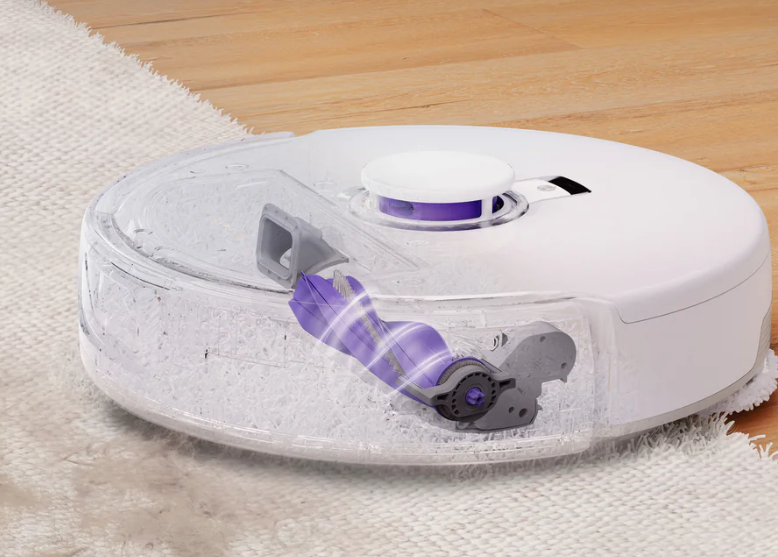
Robot vacuums have become increasingly popular for their convenience and ability to automate floor cleaning. However, the noise they generate can be a concern, especially for evening use. Quiet robot vacuums are designed to minimize noise disruption while still providing effective cleaning performance.
Features Contributing to Quiet Operation
Several key factors contribute to the quiet operation of a robotic vacuum. By understanding these elements, you can make an informed decision when selecting a model that suits your needs.
Decibel Level
The most important factor is the noise level, measured in decibels (dB). Look for models that operate in the 55-65 dB range for discreet cleaning.
Quiet Mode
Many advanced robot vacuums offer a quiet mode. This feature reduces the motor’s intensity, making it ideal for cleaning during quiet hours.
Brushless Motors
Brushless motors operate more quietly than brushed motors. They ensure efficient and silent cleaning, contributing to overall noise reduction.
Noise Reduction Design
Manufacturers use soundproofing materials, streamlined airflow designs, and vibration dampening to minimize noise. These innovations create a more pleasant cleaning experience.
Efficient Navigation Systems
Advanced navigation and obstacle detection technology enable vacuums to move seamlessly, avoiding collisions and abrupt movements that can increase noise.
What to Do About a Noisy Vacuum Cleaner
If your current vacuum is too loud, there are steps you can take to mitigate the noise.
- Maintenance:
Ensure your vacuum is properly maintained. Clean or replace filters, clear debris from brushes, and inspect overall condition. - Quiet/Eco Modes:
Explore settings for quiet or eco modes designed to reduce noise without compromising cleaning performance. - Noise-Reducing Accessories:
Consider noise-reducing accessories like mufflers or sound-dampening kits. - Upgrade:
If noise persists, consider upgrading to a model specifically designed for quiet operation. - User Manual:
Refer to the user manual for troubleshooting tips and noise reduction guidance. - Professional Assistance:
If issues persist, contact the manufacturer’s support or a certified technician for diagnosis and repair.
Selecting the Right Robot Vacuum
Choosing a quiet robot vacuum means finding the right balance between strong cleaning performance and low noise operation. Features such as quiet mode, brushless motors, and advanced navigation systems make a big difference in keeping your home both clean and peaceful.
For homeowners who also struggle with dust and allergens, pairing a quiet robot vacuum with the best HEPA vacuums ensures even greater benefits. While the robot handles daily floor cleaning with minimal noise, HEPA filtration captures fine particles, pet dander, and pollen, helping to maintain fresh indoor air.
When exploring the latest robotic vacuums, look for models that combine quiet operation with reliable performance—and consider complementing them with the best HEPA vacuums for a healthier, more comfortable home environment.
About the Author