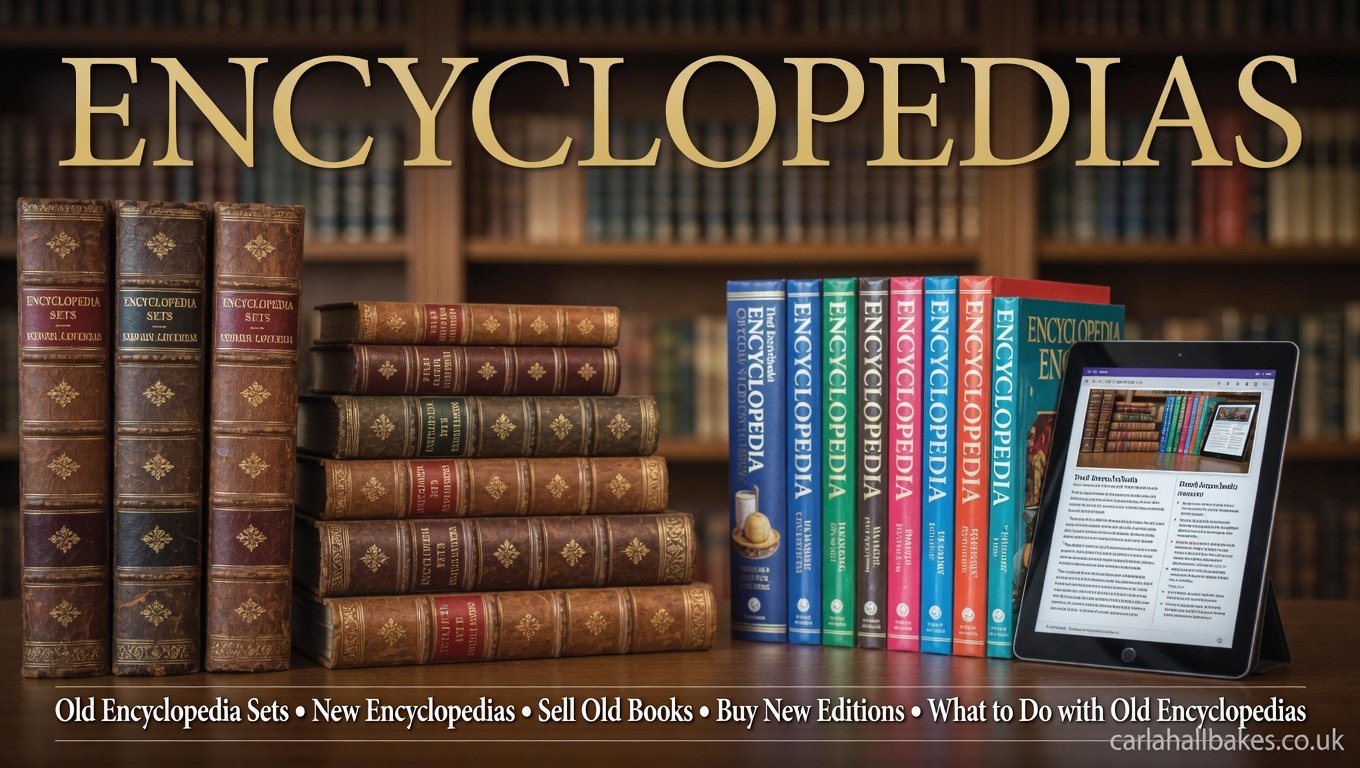
Have you ever looked at a big, dusty set of encyclopedias and wondered if they are still useful? Long before we had the internet in our pockets, these heavy books were the kings of the bookshelf. They held all the world’s secrets in alphabetical order. Today, things have changed, but our love for learning remains the same. Whether you have an old collection or want to buy a new one, understanding encyclopedias helps us appreciate how humans share information. These books are more than just paper; they are a snapshot of what we knew at a specific time in history.
The Big History of Encyclopedias
For hundreds of years, encyclopedias were the most important tools for students and teachers. Great thinkers spent their whole lives writing down everything they knew about science, history, and art. When you opened a set of encyclopedias, you were looking at the hard work of thousands of experts. These books were often very expensive and looked beautiful on a mahogany shelf. They represented a family’s commitment to education and curiosity. Even though we use phones now, the way these books organized the world’s facts still influences how websites work today.
Do They Still Make Encyclopedias?
A very common question people ask is: do they still make encyclopedias in print? The answer is a bit surprising. While many famous brands like Britannica stopped printing paper books in 2012, some companies still do. World Book is one of the few names that still creates a physical set of encyclopedias every year. They are mostly made for schools and libraries where students need reliable facts without distractions. So, while they are not as common in homes as they used to be, the tradition of printing these giant books is still alive for those who love the feel of paper.
Are Encyclopedias Primary Sources?
When writing a school report, you might wonder: are encyclopedias primary sources? In the world of research, they are actually considered “tertiary” or third-level sources. A primary source is something like a diary or a direct photo of an event. A secondary source is a book written by a historian. Because encyclopedias summarize information from many other places, they are meant to give you a quick overview. They are perfect for starting your research, but your teacher will likely want you to find a primary source to finish your big project.
Where to Buy Encyclopedias for Sale
If you are a collector or a parent, you might look for encyclopedias for sale online. You can find brand-new sets from the World Book website, but they can cost over $1,000! For a cheaper option, check out places like eBay, Facebook Marketplace, or local thrift stores. Many people sell a vintage set of encyclopedias for very little money just to clear out space. These older books are wonderful for art projects or for seeing how people viewed the world back in the 1960s or 1980s.
What to Do with Old Encyclopedias
Many families have a collection from the 1990s taking up space. You might ask yourself what to do with old encyclopedias that are out of date. Since science and geography change so fast, these books aren’t great for modern facts. However, they are amazing for “upcycling” projects! Artists love to cut out the beautiful drawings to make collages or hollow out the books to create “secret” storage boxes. You can even use the thick covers to make unique clipboards or sturdy shelves for your bedroom wall.
Where to Donate Encyclopedias
If you don’t want to craft with them, you might wonder where to donate encyclopedias so they don’t go to waste. This can be a bit tricky because many libraries have too many books already. However, some retirement homes or small community centers love having them for residents to flip through. You can also check with local “Little Free Libraries” in your neighborhood. Always call ahead before dropping them off. If no one can take them, look for a recycling center that handles “mixed paper” to ensure the materials are used to make new products.
Using Encyclopedias for Modern Learning
Even in the age of Google, using a set of encyclopedias is a great way to learn. When you search online, it is easy to get distracted by ads or funny videos. When you sit down with a physical book, you focus on one topic at a time. It helps kids build a longer attention span. Reading about a country or an animal in a printed book feels like an adventure. Plus, you never have to worry about the battery dying or the Wi-Fi going out while you are in the middle of a great story.
The Beauty of Encyclopedia Illustrations
One of the best parts of any encyclopedias collection is the artwork. Before high-definition digital photos, these books used incredibly detailed drawings and diagrams. You can see the inside of a honeybee or the layers of the Earth in beautiful colors. Many scientists became interested in their jobs because they spent hours looking at these pictures as children. Even an old set of encyclopedias can be a great source of inspiration for young artists who want to learn how to draw realistically and accurately.
How to Care for Your Book Collection
If you own a set of encyclopedias, you should know how to keep them in good shape. Books hate two things: moisture and direct sunlight. To protect your encyclopedias, keep them on a shelf in a dry room. Do not push them too tightly together, as the covers might stick. Every few months, use a soft cloth to wipe the dust off the tops of the pages. Taking care of your books ensures that they stay beautiful for many years, allowing you to pass the gift of knowledge down to the next generation.
Why Every Home Should Have One Reference Book
Having at least one set of encyclopedias or a large fact book is a great idea for every home. It sends a message that learning is important in your family. It is a place where you can find answers together during dinner or before bed. Even if the information is old, it sparks conversations about how the world has changed. These books remind us that the world is a big, fascinating place waiting to be explored. They turn a simple house into a home filled with curiosity and wisdom.
Faqs
1. Are old encyclopedias worth any money?
Most common sets from the last 50 years are not worth much money because so many were printed. However, very old sets from the 1800s or rare first editions can be valuable to collectors.
2. Can I recycle encyclopedias in my curbside bin?
Usually, you have to remove the hard covers first. The inside pages are paper, but the covers contain glue and fabric that some recycling centers cannot process. Check your local rules first!
3. Why did people stop buying them?
The internet is the main reason. Websites like Wikipedia are free and updated every second. A printed set of encyclopedias is hard to update once it is shipped to your house.
4. Is information in old books still accurate?
Historical facts, like the date of a war, usually stay the same. However, science and maps change a lot. A book from 1980 will show countries that no longer exist today!
5. Which is the most famous encyclopedia?
The Encyclopædia Britannica is the most famous in the English language. It started in Scotland over 250 years ago and is known for having very high-quality writing from experts.
6. Are digital encyclopedias better than print?
Digital versions are better for quick searching and staying up-to-date. Print versions are better for deep focus, reading without a screen, and enjoying beautiful printed artwork.
Conclusion
Whether you are looking for encyclopedias for sale or trying to figure out what to do with old encyclopedias, these books remain a symbol of our desire to know everything. They may not be the fastest way to find a fact anymore, but they offer a unique and peaceful way to learn about the world. From being a beautiful decoration to a tool for school projects, a set of encyclopedias still has a place in our hearts and homes. Next time you see one, take a moment to turn the pages and see what new things you can discover!
References:
- International Federation of Library Associations (IFLA) – Guidelines for Library Collections.
- World Book Encyclopedia – Official Publishing Records and History.
- Britannica Digital Learning – Transition from Print to Digital Archives.
About the Author