If you’ve ever wondered how a property in Kensington gets its asking price, you’re not alone. Pricing a home in one of London’s most prestigious postcodes is far more nuanced than simply glancing at what sold down the road last summer. The estate agents in Kensington who operate at the top of this market are doing something quite sophisticated behind the scenes — and it all starts with data. From granular transaction records to macroeconomic signals, today’s agents in this part of prime London have access to a remarkable breadth of intelligence that helps them land on a figure that’s both compelling and credible.
Why Kensington Is a Market Unto Itself
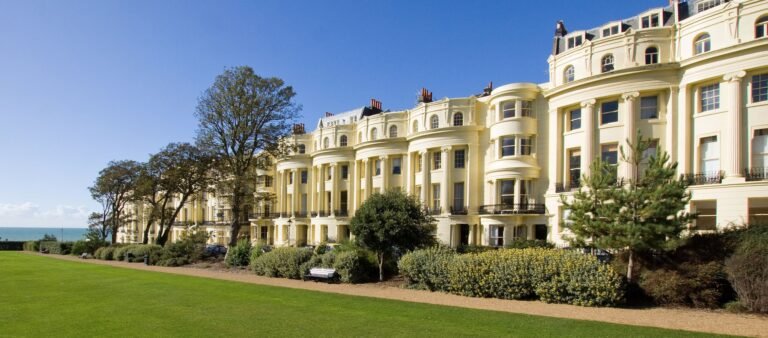
Kensington sits in a rarified tier of the London property landscape. Bordered by Hyde Park and peppered with white stucco terraces, garden squares, and grand lateral apartments, it attracts a truly international buyer pool. Demand here is shaped not just by local sentiment, but by currency movements, geopolitical shifts, and the preferences of high-net-worth individuals from across the globe.
This means that a straightforward comparison with neighbouring boroughs simply won’t do. A three-bedroom flat in W8 behaves very differently to one in W11, even if the square footage looks similar on paper. Experienced agents understand this implicitly — and they use data to back up what their instincts already tell them.
Comparable Sales: The Foundation of Any Valuation
The bedrock of accurate pricing in any market is comparable sales data — known in the industry as “comps”. In Kensington, agents pull sold prices from HM Land Registry, cross-referenced with internal records and portals such as Rightmove and Zoopla, to understand what buyers have actually paid, not just what sellers have asked.
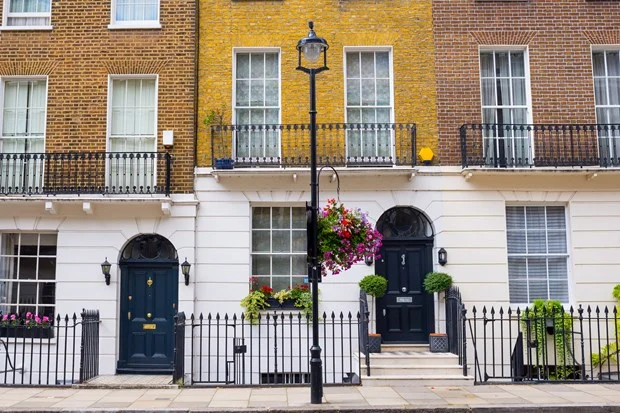
However, simply listing nearby sold prices isn’t enough. Skilled agents adjust these comparables for key variables — floor level, natural light, aspect, the quality of a communal entrance, whether a property has a private garden, or even the prestige of a particular garden square. In a street where two near-identical Victorian townhouses might be separated by £500,000, these nuances matter enormously.
Price Per Square Foot: A Useful but Imperfect Metric
Price per square foot (or per square metre, depending on who you’re working with) is a popular benchmark in prime central London. It allows agents and buyers to cut through the noise and compare properties of different sizes on a like-for-like basis.
In Kensington, the range can be significant. A well-renovated lateral apartment in a prestigious mansion block might command £3,000 per square foot, while a tired, poorly laid out property on a less desirable street in the same postcode might achieve closer to £1,800. Agents use this data as a framework — not a formula — layering their local expertise on top to arrive at a figure that reflects the full picture.
Market Velocity and Time on Market Trends
One of the more telling datasets agents in Kensington monitor closely is time on market. If similar properties in a specific price band are selling quickly, that’s a signal that pricing is well calibrated to demand. If they’re sitting for months, something is off — either the asking price, the presentation, or both.
Tracking sale-to-list price ratios also reveals a great deal. When properties are consistently achieving above or at their asking price, the market is buoyant and agents may advise a slightly more ambitious figure. When vendors are regularly accepting discounts to get deals over the line, a more conservative approach tends to serve sellers better in the long run.
Macro Factors: Interest Rates, Currency, and International Demand
Kensington is particularly sensitive to macroeconomic conditions — perhaps more so than almost anywhere else in the country. When sterling weakens against the dollar or euro, international buyers effectively receive a discount on London property, which can stimulate demand. When interest rates rise sharply, mortgage-dependent buyers are squeezed out, though the top end of the Kensington market is often less affected, given how many transactions are cash purchases.
Agents with deep experience in this market keep a close eye on these broader trends and factor them into their pricing conversations with clients. A property launched at the wrong moment in the cycle can sit unsold, damaging both the vendor’s position and the property’s reputation in the market. Timing — informed by data — is everything.
The Human Element: When Data Meets Local Knowledge
For all the sophistication of today’s data tools, the best agents will tell you that the numbers only tell part of the story. Knowing that a particular buyer is actively searching for a home with a south-facing terrace, or that a specific garden square is about to undergo a major renovation, can shift a valuation meaningfully. This kind of intelligence only comes from being genuinely embedded in the local market — from walking the streets, attending viewings, and speaking to other agents and developers day in, day out.
The most effective valuations in Kensington, then, are those that blend hard data with soft intelligence. Agents who rely solely on automated valuation tools will invariably miss the mark. Those who ignore the data entirely and price purely on gut feeling are taking an unnecessary gamble with their clients’ most valuable asset.
Getting the Price Right Matters More Than You Think
Whether you’re selling a pied-à-terre or a five-bedroom family house in W8, an accurate asking price is arguably the single most important decision you’ll make in the sales process. Overpricing — a temptation in a market as desirable as Kensington — can lead to protracted negotiations, price reductions, and a property that becomes stigmatised in buyers’ minds. Underpricing leaves money on the table.
The agents who get this right in Kensington are those who’ve invested in the tools, the relationships, and the years of experience needed to translate raw data into sound, confident advice. If you’re preparing to sell or simply want to understand the value of your home in today’s market, speaking with a specialist who truly understands this corner of London is always time well spent.
About the Author