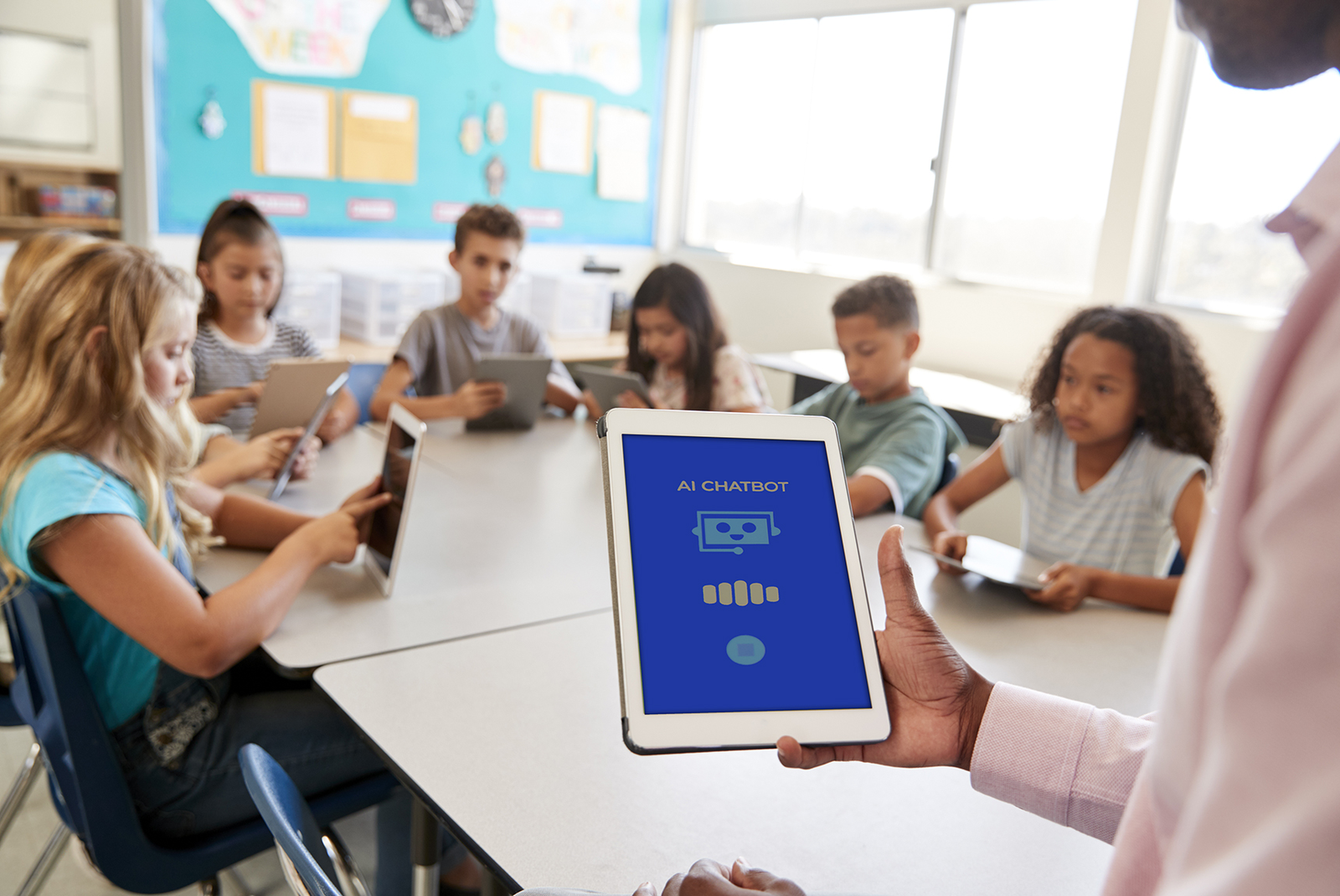
Artificial intelligence has made it possible to produce a polished paragraph in seconds. For schools, that creates a practical teaching question. If a finished piece of work can be generated or heavily revised by software, how can a teacher see the thinking that led to it?
The answer will not come from banning every new tool. AI is already being used for lesson planning, resource creation and administrative work. The Department for Education’s guidance on generative AI in education recognises those possible benefits, while warning that AI output can be inaccurate, biased or unsuitable. Schools therefore need classroom routines that let pupils use technology thoughtfully without making their own reasoning invisible.
Handwritten work has a renewed role in that approach. A dated sequence of plans, attempts, corrections and reflections gives teachers evidence of how an idea developed. It can sit alongside digital work and make assessment conversations more useful.
Classroom Evidence Needs More Than A Final Answer
Teachers have always looked beyond whether an answer is right or wrong. A crossed-out calculation may show that a pupil spotted an error. A margin note can reveal why a writer changed an adjective. A rough diagram may identify the point at which a science concept became clear.
Digital documents can preserve revision histories, but they do not always capture the small decisions made during a lesson. Pupils may overwrite a sentence, accept an automated suggestion or paste material between applications. By the time work is submitted, the route taken can be difficult to reconstruct.
This does not mean that paper is automatically more honest or that digital work is unreliable. It means that schools benefit from using more than one form of evidence. The finished document shows what a pupil produced. The working record shows how the pupil approached the task.
Exercise books for schools can create a visible thinking trail
A consistent approach to exercise books for schools can give each pupil a clear, chronological record of classroom thinking. The important point is not simply to put more writing on paper. The book needs to capture useful stages of learning.
In English, a pupil might keep a short planning page, a first paragraph and a note explaining one major revision. In mathematics, the book can show method selection, a worked example and a correction after feedback. In humanities, pupils might record the evidence they used before typing a longer response. These small records are manageable during normal teaching and offer more information than an isolated final answer.
Exercise books also make comparison easier. A teacher can ask a pupil to place an early explanation beside a later one and identify what changed. During a parent meeting, selected pages can help explain progress in concrete terms. When another member of staff takes over a class, the sequence provides context that a folder of finished digital files may not supply.
The approach works best when the purpose is understood. If every task must be copied neatly into a book after completion, the book becomes an archive rather than a thinking tool. Schools should decide which stages are worth recording and leave room for uncertainty, mistakes and revision.
Handwriting and AI can support different parts of the same lesson
A sensible classroom model gives each medium a defined job. Pupils could begin by writing what they already know, use an approved AI tool to generate questions or alternative examples, then return to the book to check, challenge and summarise the output. This makes AI an object of evaluation rather than an automatic source of answers.
For example, a history class might ask a tool for three possible causes of an event. Pupils could verify each suggestion against lesson materials, record which claim is best supported and explain why another is weak. The handwritten record would demonstrate source judgement even if the original prompt and response were stored digitally.
In science, pupils might predict the result of an investigation before using any digital support. They could compare the observed result with their prediction and then assess an AI-generated explanation for accuracy. In this sequence, the technology adds material for scrutiny. It does not replace the pupil’s initial reasoning or final judgement.
The Department for Education advises that AI-produced content requires professional checks and that schools should consider the effects of AI on learning. A mixed paper and digital routine gives teachers a practical way to apply that principle. It also avoids treating technology choices as an all-or-nothing argument.
Book design should follow the subject and age group
Procurement decisions can either support this method or make it awkward. Younger pupils may need handwriting lines that match their stage of development. Mathematics departments may prefer squared pages for calculations and diagrams. Science subjects often need enough space for tables, annotated drawings and written evaluation. A single specification across every subject can create false simplicity.
Colour coding can help pupils and staff identify subjects quickly, although schools should keep the system stable and easy to remember. Page count matters too. A book that regularly runs out several weeks before the end of term creates extra administration and breaks the learning sequence. An oversized book may waste paper and prove difficult for younger children to handle.
Schools can review a sample of completed books before placing the next order. Useful questions include whether the ruling suited the work, how many pages remained, whether covers survived normal use and whether pupils could find earlier material easily. InClassTomorrow supplies school and teacher resources, including different exercise book formats, so buyers can match orders to actual classroom requirements rather than treating books as a generic commodity.
A clear policy protects the value of the record
The book should not become a surveillance device or a reason to penalise every untidy thought. Its value lies in showing development. Staff guidance can make clear that rough planning, crossings-out and corrections are legitimate parts of learning. Pupils should know when presentation matters and when exploration matters more.
Schools should also decide how book evidence relates to homework and assessment. A short handwritten baseline completed in class can help a teacher understand a pupil’s independent starting point before a digitally supported task. Later, the pupil can explain which changes came from feedback, research or an AI tool. That conversation teaches responsible attribution as well as subject knowledge.
AI will continue to change how written work is produced. Schools do not need to choose between innovation and established classroom materials. A well-used exercise book can provide the missing record between the first thought and the final submission. That record gives teachers better evidence, gives pupils a clearer view of their own progress and makes new technology easier to use with judgement.
About the Author