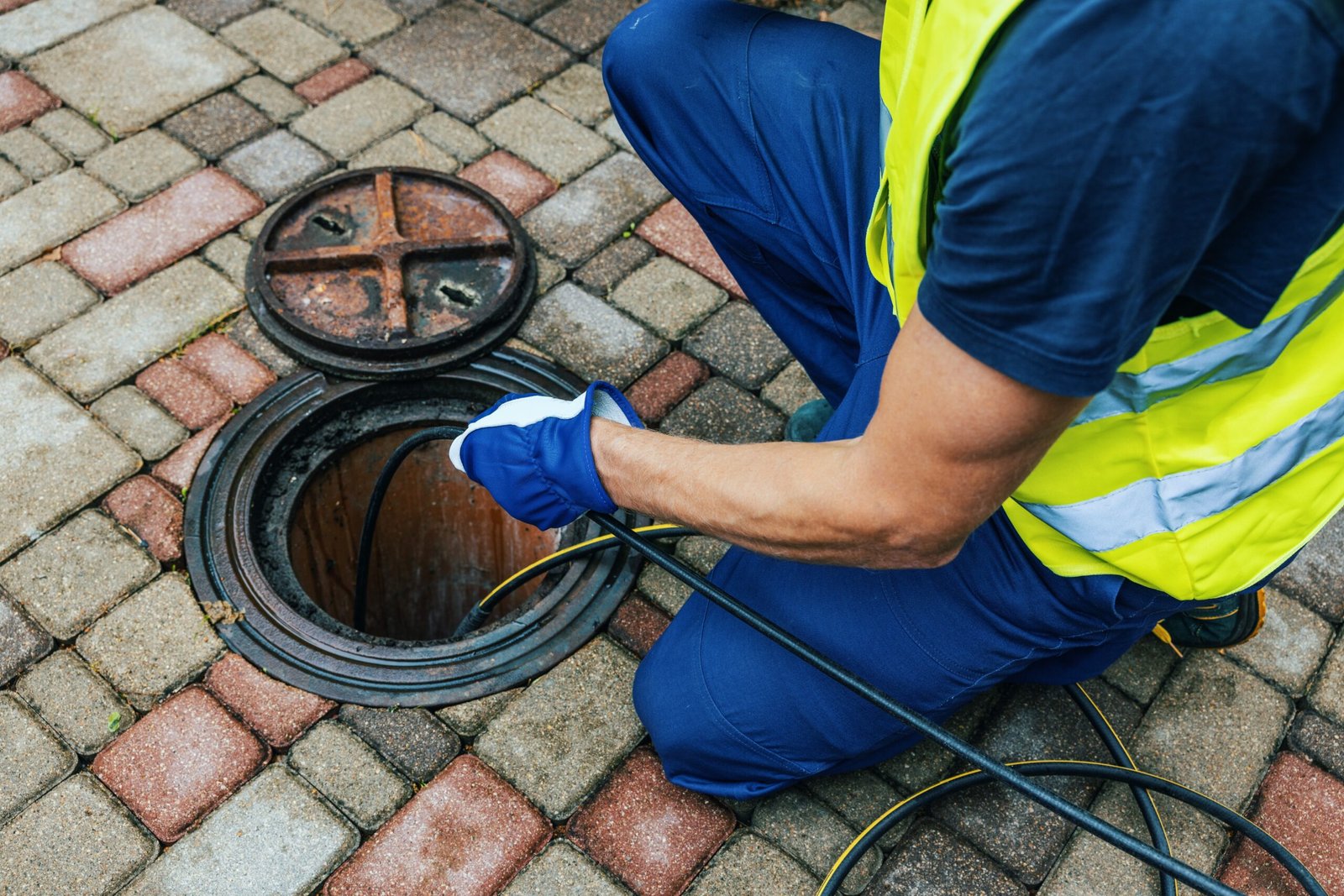
Understanding Why Drains Become Blocked
Blocked drains rarely happen without warning, yet many people ignore the early signs until water stops flowing completely. Everyday waste such as grease, soap residue, food scraps, hair, and small foreign objects slowly build up inside pipes. Over time, this buildup narrows the passage for water, creating pressure and eventually a full blockage. Outdoor drains face additional risks like leaves, dirt, and tree roots that invade underground pipes and disrupt normal drainage.
Understanding the cause is the first step to effectively clean blocked drains and prevent the issue from returning. Different blockages require different approaches. A kitchen sink clogged with grease needs a different solution than a bathroom drain blocked by hair. When homeowners understand what is going into their drains, they can adjust their habits and maintenance routines. Awareness reduces emergency plumbing situations and saves both time and money in the long run.
Early Signs You Need to Clean Blocked Drains
Drains often send warning signals before a major clog occurs. Slow drainage is one of the most common signs. If water pools in the sink or shower longer than usual, it indicates a developing obstruction. Gurgling sounds from verstopften abfluss reinigen also suggest trapped air caused by partial blockages. Unpleasant odors coming from drains are another clear sign that organic waste is decomposing inside the pipe system.
Recognizing these symptoms early allows homeowners to act quickly and clean blocked drains before the situation worsens. Minor clogs are easier to fix and usually require simple tools or home remedies. Ignoring these signs can lead to overflowing sinks, pipe damage, or even structural water issues. Early action protects plumbing systems and keeps daily routines running smoothly without unexpected interruptions.
Safe and Effective DIY Drain Cleaning Methods
Many minor blockages can be resolved without calling a professional. A plunger remains one of the simplest and most effective tools. It creates pressure that loosens clogs and restores water flow. A mixture of hot water, baking soda, and vinegar is another safe option that helps dissolve grease and organic material. Drain snakes or flexible cleaning rods can physically pull out hair and debris from shallow clogs.
While DIY methods are useful, safety should always come first. Harsh chemical cleaners can damage pipes and harm the environment if overused. Natural solutions are gentler and often just as effective for routine maintenance. Regular cleaning using safe methods prevents buildup and extends the life of plumbing systems. Consistent care reduces the risk of sudden blockages that require costly repairs.
When Professional Help Becomes Necessary
Some blockages are too severe or deep within the plumbing system for home remedies to fix. Recurring clogs, multiple blocked drains, or water backing up from different fixtures often signal a larger issue. Tree root intrusion, collapsed pipes, or major grease buildup may require specialized equipment like hydro jetting or camera inspections performed by trained plumbers.
Professional services ensure that hidden problems are diagnosed accurately. Attempting to forcefully clear serious blockages without proper tools can worsen the damage. Hiring an expert to clean blocked drains not only restores function but also identifies underlying issues before they escalate. Professional maintenance is an investment in the long-term health of a home’s plumbing infrastructure.
Preventing Future Drain Blockages
Prevention is always easier than repair. Simple habits can dramatically reduce the chance of clogged drains. Avoid pouring grease or oil down kitchen sinks, use drain strainers to catch hair and food particles, and flush drains regularly with hot water. Outdoor drains should be kept clear of leaves and debris, especially after storms or seasonal changes.
Routine maintenance keeps pipes flowing freely and reduces emergency plumbing calls. Teaching household members proper drain care ensures consistent protection. A proactive approach helps homeowners clean blocked drains less often because buildup never reaches dangerous levels. Preventive care supports a healthier plumbing system, protects property value, and provides peace of mind through reliable drainage performance.
About the Author