Weddings, race days, graduations, work dinners and milestone birthdays can cluster into the same few months. Social media makes each event more visible, while travel and accommodation increase the cost of attending. Buying a completely unrelated outfit for every invitation is expensive and creates a wardrobe full of pieces with no relationship to one another.
A more useful method begins with the calendar. Dates, venues and dress codes reveal which events can share the same tailoring. The suit becomes a base that changes through shirts, ties, shoes and the optional waistcoat. This is different from trying to make one outfit look identical everywhere. The aim is to reuse the garment while giving each occasion an appropriate finish.
Comparing Marc Darcy Suits for several occasions
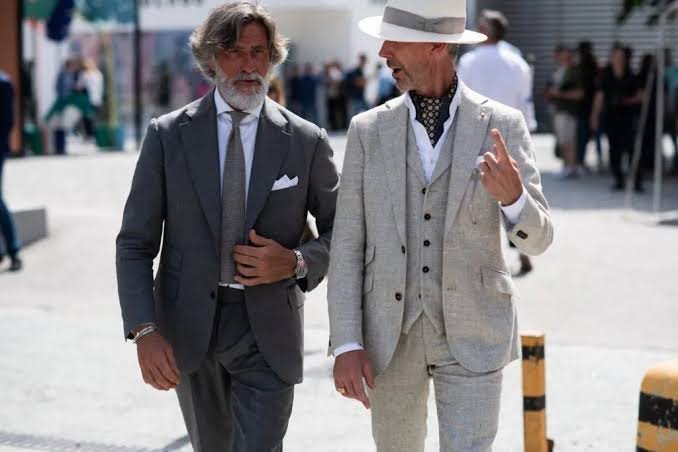
The range of Marc Darcy Suits at TruClothing includes plain, checked, herringbone and tuxedo-influenced three-piece options. A shopper with a mixed calendar should compare how much formality each design carries before focusing on a single event. A subtle blue or grey check may cover a wedding, a work dinner and the races. A velvet paisley design has a stronger evening identity and may suit a narrower group of invitations.
Colour filters are helpful, but the cloth and waistcoat design matter too. A double-breasted waistcoat gives the outfit a more noticeable centre even after the jacket comes off. Textured brown or blue tailoring may sit naturally at country celebrations, while a cleaner dark design can move into business settings more easily.
Map dress codes before spending on accessories
Write each event in a simple list and note what the invitation says. Black tie requires the correct dinnerwear rather than a creative interpretation of an ordinary lounge suit. Formal and lounge suit invitations leave more flexibility. Racecourse dress rules can differ by enclosure, and graduation venues may have practical restrictions beneath academic robes.
Once these conditions are clear, identify the highest level of formality that a normal suit needs to meet. Buy for that point, then reduce the formality elsewhere through accessories. It is generally easier to remove a tie or waistcoat than to make a casual suit convincing at a traditional ceremony.
Use colour families rather than matching sets
Accessories sold as exact sets can make repeated outfits easy to recognise. Building a small colour family creates more variety. A blue checked suit might work with a burgundy tie at an autumn wedding, a navy knitted tie at a business dinner and a pale blue open-necked shirt for a less formal celebration. The items relate to the suit without looking like a permanent package.
Photograph each combination in natural light and save the image with a note about the event. This prevents a rushed repeat and makes packing easier. It also reveals combinations that look plausible on a bed but become too busy when worn. With checked tailoring, the shirt should usually remain plain and the tie pattern should be restrained.
Plan around repeat audiences
Wearing the same suit twice is rarely a problem. People notice a repeated styling formula more readily than a repeated jacket. If two weddings involve many of the same guests, change the shirt tone, tie texture and pocket square fold. A different waistcoat is possible, but only when the contrast looks intentional and fits correctly with the trousers.
Work events create another audience. Removing the waistcoat and choosing a quieter tie can prevent a distinctive wedding suit from feeling ceremonial in a professional setting. Conversely, adding the third piece and a pocket square can raise the same tailoring for an awards night. The suit should not be forced into a dress code it cannot meet, but many events have more overlap than shoppers assume.
Budget for alterations once, then maintain the result
A suit that covers several dates deserves proper alterations. Sleeve and trouser length affect every future outfit, so include them in the original budget. Take the shoes most likely to be worn when the trousers are marked. If footwear will vary greatly, choose a hem that works with the main pair rather than trying to accommodate everything.
Record the alterations and keep the tailor’s details. Body measurements can change across a busy year, particularly between a spring purchase and a winter event. Trying the suit four weeks before each important date leaves time for a modest adjustment. Discovering a tight waistband the evening before travel creates unnecessary expense and stress.
Travel gaps belong in the wardrobe plan
Events away from home need more than a garment bag. Check whether the accommodation has an iron, whether the suit must be carried on public transport and how long it will remain packed. A lightweight clothes brush, hanging loop and clean cloth for shoes take little space. Hang the outfit as soon as possible and allow light creases to fall before using gentle steam according to the care label.
Keep the shirt, tie, socks and small accessories in a separate packing cube or bag. This reduces the chance of a cufflink or tie pin catching the suit cloth. Pack a plain backup tie if the main option is highly specific to the event. Small preparation protects the wider calendar as well as the immediate invitation.
The last event should influence the first purchase
When two suits seem equally suitable for the first date, look at the rest of the year. The design that also works for the final two events is usually the stronger choice. This method replaces vague claims about versatility with evidence from a real diary.
After each wear, inspect and air the suit before returning it to storage. Rotate trousers carefully and address stains or loose stitching promptly. A calendar-led purchase earns its place through repeated service, while changes in accessories allow each occasion to retain its own identity.
About the Author